

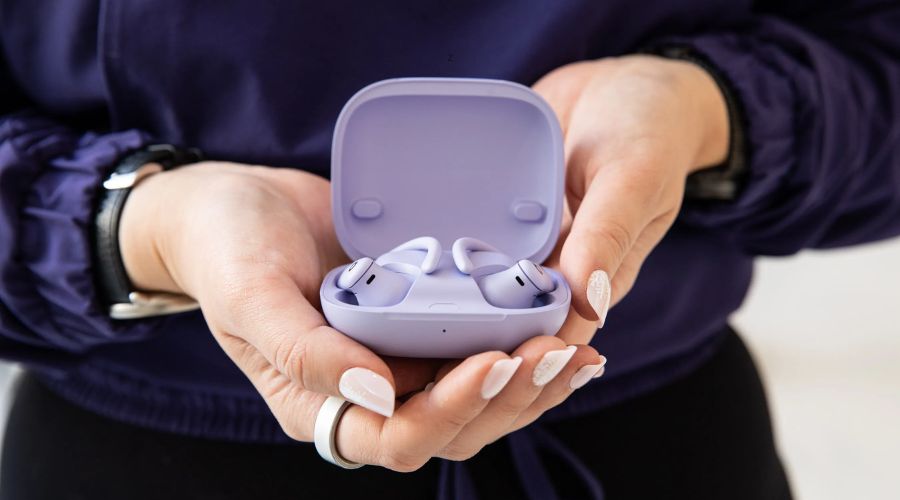
The world of wearable technology has evolved dramatically over the past decade, with smart earbuds—commonly referred to as “hearables”—emerging as a standout innovation. Once simple devices designed for music playback and hands-free calls, hearables have transformed into multifaceted tools that integrate advanced technology into our daily lives. From health monitoring to real-time language translation, smart earbuds are no longer just about audio; they’re becoming indispensable companions in an increasingly connected world. This blog explores the expanding role of hearables, delving into their technological advancements, practical applications, and future potential.
The Evolution of Hearables
The journey of hearables began with basic wireless earbuds that offered convenience over tangled headphone wires. Brands like Apple, with its AirPods, and others such as Sony and Samsung, introduced Bluetooth-enabled earbuds that prioritized sound quality and portability. However, the real shift came when manufacturers started embedding sensors, artificial intelligence (AI), and connectivity features into these tiny devices, turning them into “smart” hearables.
From Audio to Intelligence
The transition from audio-only devices to intelligent hearables was fueled by advancements in miniaturization and computing power. Today’s smart earbuds boast features like active noise cancellation (ANC), voice assistants, and touch controls. But the evolution didn’t stop there. Companies began integrating biometric sensors, motion detectors, and AI-driven algorithms, enabling earbuds to do much more than play music. This convergence of audio and intelligence has paved the way for hearables to step into domains like fitness tracking, communication enhancement, and even medical diagnostics.
A Growing Market
The hearables market has seen exponential growth, with projections estimating it will reach billions of dollars in value by the end of the decade. Consumers are drawn to the seamless integration of these devices into their lifestyles, whether for work, exercise, or entertainment. As competition heats up, manufacturers are racing to differentiate their products by packing in innovative features, further expanding the role of smart earbuds.
Health and Wellness Monitoring
One of the most exciting developments in hearables is their ability to monitor health and wellness. By leveraging their position in the ear, smart earbuds are uniquely suited to collect biometric data in real time, offering users insights into their physical well-being.
Tracking Vital Signs
Modern hearables can measure heart rate, blood oxygen levels, and even body temperature using optical sensors and infrared technology. For example, some earbuds now rival fitness trackers by providing accurate pulse readings during workouts. This makes them a convenient all-in-one solution for gym-goers who want to ditch bulky wristbands without sacrificing data.
Hearing Health and Enhancement
Beyond physical fitness, hearables are stepping into the realm of auditory health. Some models can assess hearing ability, detect early signs of hearing loss, and adjust sound output to suit individual needs. This functionality is a game-changer for aging populations or those exposed to loud environments. Additionally, advanced hearables can amplify ambient sounds or filter out background noise, acting as personalized hearing aids.
Mental Well-Being
Stress and sleep tracking are also becoming standard features. By analyzing heart rate variability (HRV) and movement patterns, smart earbuds can offer insights into stress levels or sleep quality. Paired with guided meditation apps or soothing soundscapes, they’re evolving into tools for mental wellness, helping users unwind in a fast-paced world.
Enhancing Communication and Productivity
Hearables are redefining how we communicate and work, bridging gaps in language, accessibility, and efficiency. Their discreet design and powerful capabilities make them ideal for both personal and professional use.
Real-Time Language Translation
Imagine traveling abroad and having a conversation with someone in a foreign language—without missing a beat. Smart earbuds like Google’s Pixel Buds and certain models from startups like Waverly Labs are making this a reality with real-time translation. By processing speech and delivering translated audio directly into your ear, these devices break down language barriers, enhancing travel, business, and social interactions.
Voice Assistants and Hands-Free Control
The integration of voice assistants like Siri, Alexa, or Google Assistant has turned hearables into productivity powerhouses. Users can dictate emails, set reminders, or control smart home devices without touching a phone. For professionals on the go or individuals with mobility challenges, this hands-free functionality is a significant leap forward.
Augmented Audio for Accessibility
For those with hearing impairments, hearables offer augmented audio experiences. They can selectively amplify voices in noisy environments, such as restaurants, or provide audio descriptions of surroundings. This not only improves accessibility but also empowers users to engage more fully with the world around them.
The Future of Hearables
As technology continues to advance, the potential of hearables seems limitless. From deeper integration with AI to applications in virtual reality (VR) and augmented reality (AR), smart earbuds are poised to play an even bigger role in our lives.
Integration with AR and VR
Hearables are becoming critical components of immersive AR and VR experiences. By delivering spatial audio—sound that mimics real-world directionality—they enhance gaming, virtual meetings, and interactive storytelling. As AR glasses and VR headsets gain traction, earbuds will likely serve as the audio backbone, creating seamless multisensory environments.
AI-Powered Personalization
The future of hearables lies in hyper-personalization. AI algorithms could analyze a user’s habits, preferences, and health data to tailor audio experiences, suggest playlists, or even recommend lifestyle changes. Imagine earbuds that detect fatigue and automatically play an energizing track or remind you to take a break based on your stress levels.
Medical and Diagnostic Potential
Researchers are exploring hearables as diagnostic tools for conditions like neurological disorders or cardiovascular issues. For instance, subtle changes in ear canal pressure or blood flow could be monitored to detect early signs of disease. While still in its infancy, this application could transform hearables into proactive health guardians.
Sustainability and Design
As hearables evolve, so too must their design. Manufacturers are under pressure to create sustainable, repairable devices with longer battery life. Future iterations might use biodegradable materials or modular components, addressing environmental concerns while maintaining cutting-edge functionality.
Conclusion
Hearables have come a long way from their humble origins as audio playback devices. Today, they’re at the forefront of wearable technology, blending entertainment, health monitoring, communication, and productivity into a single, unobtrusive package. As innovations in AI, sensors, and connectivity continue to push boundaries, smart earbuds will likely become even more integral to our daily lives. Whether you’re a fitness enthusiast, a globetrotter, or a tech-savvy professional, the expanding role of hearables offers something for everyone—a testament to their versatility and transformative power.
For more information, visit Vatysya.
FAQs
[su_accordion]
[su_spoiler title=”What are hearables, and how do they differ from regular earbuds?” open=”no” style=”default” icon=”plus” anchor=”” anchor_in_url=”no” class=””]Hearables are smart earbuds equipped with advanced features like biometric sensors, AI, and connectivity beyond basic audio playback. Unlike regular earbuds, which focus solely on sound, hearables can monitor health, translate languages, or integrate with voice assistants, making them multifunctional devices.[/su_spoiler]
[su_spoiler title=”Can smart earbuds replace fitness trackers or hearing aids?” open=”no” style=”default” icon=”plus” anchor=”” anchor_in_url=”no” class=””]Yes, to some extent. Many hearables now offer fitness tracking features like heart rate monitoring, rivaling basic fitness trackers. Some also function as hearing aids by amplifying sound or adjusting audio for hearing impairments, though they may not fully replace specialized medical devices yet.[/su_spoiler]
[su_spoiler title=”Are hearables safe for long-term use in terms of health?” open=”no” style=”default” icon=”plus” anchor=”” anchor_in_url=”no” class=””]Generally, hearables are safe when used responsibly. However, prolonged exposure to loud volumes can damage hearing, and experts recommend taking breaks to avoid ear fatigue. Privacy concerns also arise with devices that collect biometric data, so choosing reputable brands with strong security is advisable.[/su_spoiler]
[/su_accordion]