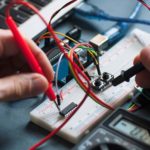


The world of consumer technology is undergoing a transformation, driven by a surge in interest for hands-on, customizable experiences. DIY electronics kits have emerged as a cornerstone of this shift, offering enthusiasts, hobbyists, and even beginners the chance to build their own gadgets from scratch. From simple LED circuits to sophisticated robotics, these kits are not only fueling creativity but also tapping into a growing market that values personalization and skill-building. As of March 18, 2025, the DIY electronics sector is booming, reflecting broader trends in education, entertainment, and the maker movement. This blog explores the rise of DIY electronics kits, their appeal, and the forces propelling their market growth.
The Rise of DIY Electronics Kits
The concept of DIY electronics isn’t new—think of the radio-building kits of the mid-20th century. However, what’s changed is the accessibility and sophistication of today’s offerings. Modern kits cater to a wide range of skill levels, from novices who want to solder their first circuit to seasoned engineers designing custom IoT devices. Companies like Raspberry Pi, Arduino, and Adafruit have become household names, providing affordable, well-documented platforms that empower users to experiment and innovate.
A Perfect Storm of Trends
Several factors have converged to boost the popularity of DIY electronics. First, the maker movement has gained momentum, celebrating hands-on creation over passive consumption. Makerspaces and online communities have sprung up, offering support and inspiration. Second, the push for STEM (Science, Technology, Engineering, and Math) education has encouraged parents and educators to seek out tools that make learning interactive and fun. Finally, the rise of open-source hardware and software has lowered barriers to entry, allowing anyone with a computer and a kit to start building.
Market Growth Statistics
The market for DIY electronics is expanding rapidly. Industry reports suggest that the global hobbyist electronics market, including DIY kits, is projected to grow at a compound annual growth rate (CAGR) of over 8% through the next decade. This growth is fueled by demand in North America, Europe, and Asia-Pacific, where tech-savvy consumers are eager to tinker. Crowdfunding platforms like Kickstarter have also played a role, with countless DIY electronics projects raising millions to bring innovative kits to market.
Why DIY Electronics Kits Are So Appealing
What makes these kits so irresistible? At their core, they offer a blend of education, empowerment, and entertainment that’s hard to find elsewhere. They’re more than just a product—they’re an experience.
Hands-On Learning
For students and beginners, DIY kits provide a tangible way to grasp complex concepts like circuitry, coding, and robotics. Building a blinking LED circuit or programming a microcontroller teaches problem-solving and patience—skills that textbooks alone can’t impart. Parents love them for their educational value, while schools are integrating them into curricula to prepare students for a tech-driven future.
Customization and Creativity
Unlike mass-produced gadgets, DIY kits let users tailor their creations to their needs. Want a smart home device that only you control? Build it. Dream of a drone with specific features? Design it. This level of customization appeals to a generation that values individuality and rejects one-size-fits-all solutions. Open-source platforms amplify this freedom, offering endless possibilities through shared code and designs.
A Sense of Accomplishment
There’s something deeply satisfying about turning a pile of components into a working device. Whether it’s a simple synthesizer or a weather station, the act of creation fosters pride and confidence. This emotional payoff keeps hobbyists coming back for more challenging projects, driving repeat purchases and word-of-mouth marketing.
Key Players and Innovations in the Market
The DIY electronics space is crowded with innovators, each pushing the boundaries of what’s possible. Established brands and startups alike are vying for a share of this lucrative market.
Leading Brands
Raspberry Pi remains a titan, with its single-board computers powering everything from retro gaming consoles to home servers. Arduino’s microcontroller boards dominate the beginner-friendly segment, thanks to their simplicity and vast ecosystem of add-ons. Meanwhile, companies like SparkFun and Adafruit cater to niche audiences with specialized kits for wearables, sensors, and more.
Cutting-Edge Kits
Recent innovations have taken DIY electronics to new heights. Modular kits, like those from LittleBits or Kano, allow users to snap together components without soldering, making them ideal for kids and casual tinkerers. On the high end, robotics kits with AI capabilities—think programmable drones or self-balancing robots—are gaining traction among advanced users. Sustainability is also a focus, with eco-friendly kits using recyclable materials starting to emerge.
The Role of Community
Online forums, YouTube tutorials, and social media groups have become vital to the DIY ecosystem. These platforms provide troubleshooting tips, project ideas, and a sense of belonging. Companies are tapping into this by offering detailed documentation and hosting challenges, ensuring users stay engaged with their products.
Challenges and Opportunities Ahead
While the future looks bright, the DIY electronics market isn’t without hurdles. Addressing these challenges could unlock even greater potential.
Accessibility and Cost
High-quality kits can be expensive, pricing out some enthusiasts. Beginners may also feel overwhelmed by technical jargon or complex assembly. Brands that simplify instructions, offer affordable starter packs, or provide subscription models could broaden their reach.
Competition from Pre-Built Tech
Why build a smart speaker when you can buy one for cheap? DIY kits must differentiate themselves by emphasizing the unique value of customization and learning. Highlighting their role as a creative outlet rather than a utilitarian purchase will be key to staying competitive.
Scaling Innovation
As the market grows, companies face pressure to innovate without alienating their core audience. Balancing beginner-friendly designs with advanced features will be a tightrope walk. Partnerships with educational institutions or tech giants could provide the resources needed to scale while keeping products accessible.
The Future Outlook
Looking ahead, the DIY electronics market is poised for continued growth. Integration with emerging tech like 5G, augmented reality, and renewable energy could spawn the next wave of kits. As consumers demand more control over their tech, the appeal of building rather than buying will only strengthen.
Conclusion
In conclusion, DIY electronics kits are more than a passing trend—they’re a gateway to a future where consumers are creators. By blending education, creativity, and technology, they’re carving out a unique space in the consumer tech landscape. As the market evolves, expect to see even more innovative kits that inspire the next generation of inventors. Whether you’re a curious beginner or a seasoned maker, there’s never been a better time to dive into the world of DIY electronics.
For more information, visit Vatysya.
FAQs
[su_accordion]
[su_spoiler title=”What is the best DIY electronics kit for beginners?” open=”no” style=”default” icon=”plus” anchor=”” anchor_in_url=”no” class=””]For beginners, the Arduino Starter Kit is a top choice. It includes a microcontroller, basic components like LEDs and resistors, and a detailed guide to get you started. The Raspberry Pi Pico Kit is another great option for those interested in coding and simple projects.[/su_spoiler]
[su_spoiler title=”Are DIY electronics kits safe for kids?” open=”no” style=”default” icon=”plus” anchor=”” anchor_in_url=”no” class=””]Yes, many kits are designed with safety in mind, especially those for younger users. Look for solder-free options like LittleBits or kits with clear age recommendations. Adult supervision is advised for projects involving soldering or small parts.[/su_spoiler]
[su_spoiler title=”How much should I expect to spend on a DIY electronics kit?” open=”no” style=”default” icon=”plus” anchor=”” anchor_in_url=”no” class=””]Prices vary widely. Basic kits start at $20–$30, while advanced setups with robotics or IoT features can cost $100 or more. Consider your skill level and project goals when budgeting.[/su_spoiler]
[/su_accordion]