

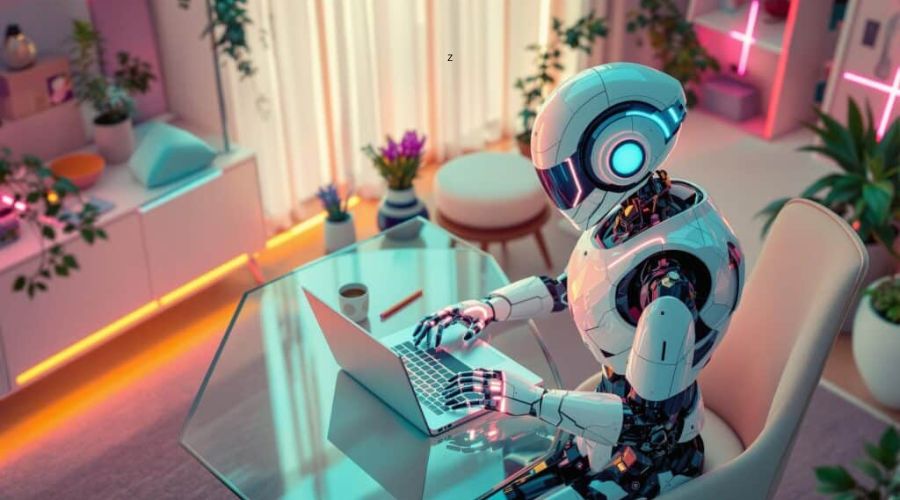
The creative industries—spanning graphic design, fashion, architecture, music, and more—are undergoing a seismic shift thanks to artificial intelligence (AI). At the heart of this transformation are generative models, a subset of AI capable of creating original content, from images and text to 3D designs and soundscapes. These tools are not just augmenting human creativity; they’re redefining design workflows, enabling faster iteration, greater experimentation, and unprecedented personalization. As of March 18, 2025, the integration of generative AI into creative processes is no longer a futuristic vision—it’s a present reality reshaping how designers work and think.
This blog explores how generative models are revolutionizing design workflows, the opportunities they unlock, the challenges they pose, and what the future might hold for creatives in this AI-driven era.
The Rise of Generative AI in Design
Generative AI refers to algorithms, such as Generative Adversarial Networks (GANs), Variational Autoencoders (VAEs), and transformer-based models, that can produce new content by learning patterns from vast datasets. Unlike traditional AI, which analyzes or classifies data, generative models create. In the creative industries, this capability is a game-changer.
From Concept to Creation in Seconds
One of the most profound impacts of generative AI is its ability to accelerate the design process. Tools like Midjourney, DALL·E 3, and Stable Diffusion allow designers to generate high-quality visuals from simple text prompts. For example, a graphic designer tasked with creating a poster for a sci-fi movie can input “futuristic cityscape with neon lights and flying cars” and receive multiple variations in seconds. This eliminates hours of sketching and prototyping, letting designers focus on refining rather than starting from scratch.
Democratizing Design Skills
Generative AI also lowers the barrier to entry for design. Non-designers—marketers, small business owners, or hobbyists—can now produce professional-grade visuals without mastering complex software like Adobe Photoshop or Illustrator. This democratization is empowering a new wave of creators, though it raises questions about the value of traditional design expertise, which we’ll explore later.
Enhancing Creativity Through Collaboration
Far from replacing human designers, generative AI is becoming a collaborative partner, amplifying creativity in ways previously unimaginable.
Infinite Iterations and Exploration
Design workflows traditionally involve a linear process: ideation, sketching, drafting, and finalization. Generative models disrupt this by offering infinite iterations. Tools like Runway ML or Adobe’s Firefly allow designers to tweak parameters—color, style, composition—and generate dozens of variations instantly. This fosters experimentation, encouraging designers to explore ideas they might not have considered otherwise.
For instance, an interior designer using AI can input a room’s dimensions and style preferences (e.g., “minimalist Scandinavian”) and receive multiple layout options, complete with furniture placements and color schemes. The designer then refines the output, blending AI’s suggestions with their own vision.
Personalization at Scale
Generative AI excels at tailoring designs to individual preferences, a boon for industries like fashion and advertising. Algorithms can analyze consumer data—past purchases, browsing history, even social media activity—to create bespoke designs. A fashion brand might use AI to generate unique clothing patterns for each customer, printed on-demand via 3D printing technology. This level of personalization was once cost-prohibitive; now, it’s scalable and efficient.
Transforming Specific Creative Fields
Generative models aren’t a one-size-fits-all solution—they’re reshaping workflows across diverse creative domains, each in unique ways.
Graphic Design and Visual Arts
In graphic design, AI tools are streamlining repetitive tasks like background removal, color correction, and layout generation. Designers can concentrate on strategic creative choices while AI takes care of the routine tasks. For example, Canva’s AI features now suggest layouts and elements based on a project’s theme, saving time for both amateurs and pros.
Architecture and Product Design
Architects are using generative AI to optimize building designs for sustainability and aesthetics. Tools like Autodesk’s generative design software can propose structures that minimize material use while maximizing strength, based on parameters like site conditions and budget. Similarly, product designers leverage AI to create ergonomic, innovative prototypes faster than traditional methods allow.
Music and Sound Design
In the audio realm, platforms like AIVA and Soundraw generate original compositions or sound effects from prompts like “upbeat electronic track for a car commercial.” Sound designers can tweak these outputs, layering their expertise atop AI’s raw creativity, resulting in polished, market-ready audio.
Challenges and the Road Ahead
While generative AI offers immense potential, its integration into design workflows isn’t without hurdles. Ethical, technical, and cultural challenges loom large, and the creative industries must navigate them carefully.
Ethical Concerns and Originality
A key question is: who owns AI-generated work? If a designer uses a model trained on thousands of copyrighted images, is the output truly original? Legal battles over intellectual property are already emerging, with artists arguing that their work is being exploited to train these models without consent or compensation. The creative community is pushing for clearer regulations as AI adoption grows.
The Risk of Homogenization
Another challenge is the potential for AI to produce formulaic designs. Since generative models rely on patterns in their training data, they can sometimes churn out predictable or derivative content. Designers must actively steer AI outputs to maintain uniqueness, ensuring it enhances rather than stifles their creative voice.
The Future: A Hybrid Creative Ecosystem
Looking ahead, the most successful design workflows will likely blend human intuition with AI’s computational power. Education will evolve, with design schools teaching students how to wield AI tools alongside traditional skills. Meanwhile, companies will invest in custom generative models tailored to their brand identity, ensuring consistency without sacrificing innovation.
By 2030, we might see AI as a standard co-creator, seamlessly integrated into every stage of the design process—from brainstorming to final polish. The designer’s role will shift toward curation and strategic vision, leveraging AI to push boundaries further than ever before.
Conclusion
Generative models are not just changing design workflows—they’re rewriting the rules of creativity itself. By accelerating ideation, enabling personalization, and fostering collaboration, AI is empowering designers to work smarter and bolder. Yet, its rise also demands vigilance, from addressing ethical dilemmas to preserving the human spark that defines great design. As we move forward, the creative industries stand at a crossroads: embrace AI as a partner, and the possibilities are limitless. The future of design isn’t AI alone—it’s the synergy of human ingenuity and machine intelligence, crafting a world more beautiful, functional, and innovative than ever before.
For more information, visit Vatysya.
FAQs
[su_accordion]
[su_spoiler title=”How does generative AI differ from traditional design software?” open=”no” style=”default” icon=”plus” anchor=”” anchor_in_url=”no” class=””]Traditional design software, like Adobe Illustrator, requires manual input to create content—every line, shape, and color is placed by the user. Generative AI, on the other hand, autonomously generates content based on prompts or parameters, offering a starting point that designers can refine. It’s proactive rather than reactive, speeding up workflows significantly.[/su_spoiler]
[su_spoiler title=”Can generative AI replace human designers entirely?” open=”no” style=”default” icon=”plus” anchor=”” anchor_in_url=”no” class=””]Not likely. While AI can generate impressive outputs, it lacks the emotional depth, cultural context, and intentionality that human designers bring. It’s best seen as a tool that enhances creativity, not a substitute for the human mind. Designers who adapt to AI will thrive, while those who resist may struggle.[/su_spoiler]
[su_spoiler title=”What skills should designers learn to stay relevant in an AI-driven world?” open=”no” style=”default” icon=”plus” anchor=”” anchor_in_url=”no” class=””]Designers should focus on mastering AI tools (e.g., Midjourney, Runway), understanding prompt engineering, and honing their ability to critique and refine AI outputs. Skills in storytelling, branding, and strategic thinking will also remain critical, as AI can’t replicate the human ability to connect with audiences on a deeper level.[/su_spoiler]
[/su_accordion]