

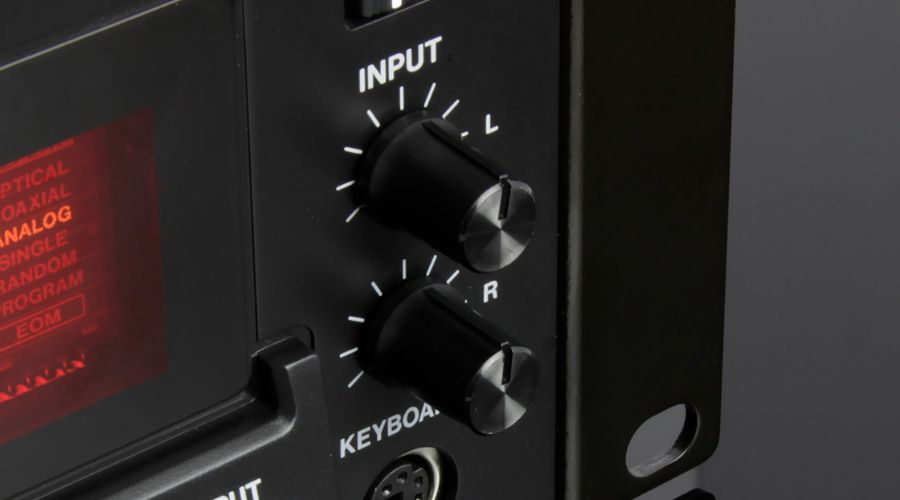
In an era dominated by sleek touchscreens and minimalist design, something unexpected is happening: physical buttons, knobs, and dials—once considered relics of the past—are staging a quiet comeback in digital devices. From smartphones to smart home gadgets, car dashboards to gaming controllers, analog controls are re-emerging as a counterpoint to the all-touch revolution. This resurgence isn’t just nostalgia-driven; it’s a response to practical, ergonomic, and even psychological needs that touchscreens alone can’t fully satisfy. So why are physical buttons making a comeback, and what does this mean for the future of tech design? Let’s dive in.
The Rise and Fall of the Touchscreen Era
Touchscreens took the world by storm in the late 2000s, propelled by the iPhone’s debut in 2007. Their intuitive swipe-and-tap interfaces promised a future free of clunky buttons and confusing menus. Manufacturers raced to eliminate physical controls, favoring flat, glossy surfaces that looked futuristic and premium. By the 2010s, buttons were passé—replaced by virtual keyboards, gesture controls, and voice assistants.
The Allure of Touchscreens
There’s no denying the appeal: touchscreens are versatile. A single surface can morph into a calculator, a game controller, or a media player with a software update. They also allow for thinner, lighter devices, unencumbered by mechanical parts. For years, this flexibility seemed like the ultimate evolution of user interface design.
The Cracks in the Touchscreen Dream
But cracks soon appeared. Touchscreens, while flashy, aren’t always practical. Typing on a virtual keyboard lacks the tactile feedback of physical keys, leading to more errors. In cars, drivers fumble with on-screen menus instead of instinctively reaching for a knob. And for gamers, the precision of a physical joystick trumps a slippery thumb swipe every time. Over time, users began to crave the reliability and immediacy that only analog controls can provide.
Why Physical Buttons Are Back in Demand
The return of analog controls isn’t just a quirky trend—it’s a response to real-world frustrations and a growing appreciation for what physical interfaces do best. Here’s why they’re reclaiming their place in digital devices.
Tactile Feedback Enhances Usability
Humans are tactile creatures. We rely on touch to confirm actions, whether it’s the satisfying click of a light switch or the resistance of a volume knob. Physical buttons offer immediate feedback—something touchscreens can only mimic with vibrations or sounds. Studies show that tactile feedback reduces errors and speeds up task completion, especially in high-stakes environments like driving or surgery, where precision matters.
Ergonomics and Accessibility
Not everyone finds touchscreens intuitive. For people with motor impairments, arthritis, or visual disabilities, pressing a button is often easier than pinching a screen. Analog controls also reduce the cognitive load—there’s no need to look down to confirm you’ve hit the right spot. This simplicity is driving their return in devices like smart thermostats (think Nest’s rotating dial) and even some smartphone prototypes experimenting with hybrid designs.
Nostalgia Meets Functionality
There’s an undeniable retro charm to analog controls, evoking memories of flipping switches on a vintage radio or winding a mechanical watch. But this isn’t just about sentimentality. Designers are realizing that analog elements can coexist with digital systems, blending the best of both worlds. For instance, modern synthesizers pair touch interfaces with physical knobs, giving musicians hands-on control without sacrificing digital flexibility.
Safety and Reliability
In critical situations, analog beats digital. Car manufacturers like Tesla have faced criticism for burying controls like wipers or headlights in touch menus, forcing drivers to take their eyes off the road. In response, brands like Volkswagen and Mazda are reintroducing physical buttons and dials for key functions. Similarly, appliances like stoves are seeing a resurgence of knobs over touchpads, as users demand fail-safes that don’t glitch during a power surge.
Where We’re Seeing the Analog Revival
The comeback of physical controls is popping up across industries, subtly reshaping how we interact with technology.
Smartphones and Wearables
While full keyboards on phones are unlikely to return, some manufacturers are experimenting with hybrid designs. The Nothing Phone (1) introduced a distinctive glyph interface with physical cues, and rumors swirl about future iPhones adding customizable action buttons. Wearables like the Apple Watch Ultra feature oversized physical buttons for gloved hands or underwater use, proving analog has a place even in cutting-edge tech.
Automotive Design
Cars are a battleground for this trend. After years of touchscreen dashboards, automakers are backtracking. Hyundai’s Ioniq 5 blends a sleek display with dedicated climate control buttons, while Porsche’s Taycan offers a mix of haptic feedback and physical toggles. Drivers want controls they can feel without looking, and the industry is listening.
Gaming and Creative Tools
Gamers have long championed physical controls—think of the enduring popularity of Nintendo’s Joy-Cons or the PlayStation’s DualSense controller. Beyond gaming, creative professionals are driving demand for analog inputs. Devices like the Loupedeck, with its dials and buttons for photo editing, show how tactile controls boost workflow efficiency over mouse-and-screen setups.
The Future: A Hybrid Approach
The return of analog doesn’t spell the end of touchscreens—it’s about balance. The future likely lies in hybrid designs that marry the adaptability of digital with the reliability of physical. Think of a smartphone with a dynamic touchscreen flanked by programmable buttons, or a car dashboard where critical controls stay tactile while secondary features live on-screen.
Sustainability and Repairability
Analog controls also align with growing calls for sustainable tech. Physical buttons are often easier to repair or replace than a cracked touchscreen, extending device lifespans. As consumers push back against disposable electronics, modular designs with analog components could gain traction.
The Psychological Edge
There’s a deeper layer to this shift: physical controls feel human in a way touchscreens don’t. Turning a dial or pressing a button engages us on a visceral level, grounding us in an increasingly virtual world. As tech saturates our lives, this connection to the physical might be what keeps us sane.
Conclusion
The resurgence of analog controls in digital devices isn’t a rejection of progress—it’s a refinement. Physical buttons, knobs, and dials are reclaiming their space not because they’re old-fashioned, but because they solve problems touchscreens can’t. They offer precision, accessibility, and a sense of control that feels intuitive and human. As designers and users alike rediscover their value, we’re heading toward a future where the best of analog and digital coexist. The next time you twist a knob or click a button, take a moment to appreciate it—because this comeback is just getting started.
For more information, visit Vatysya.
FAQs
[su_accordion]
[su_spoiler title=”Why are physical buttons considered more reliable than touchscreens?” open=”no” style=”default” icon=”plus” anchor=”” anchor_in_url=”no” class=””]Physical buttons provide tactile feedback and don’t rely on software to function, making them less prone to glitches or unresponsiveness. They’re also easier to use without looking, which is critical in scenarios like driving.[/su_spoiler]
[su_spoiler title=”Are analog controls more expensive to implement in modern devices?” open=”no” style=”default” icon=”plus” anchor=”” anchor_in_url=”no” class=””]Not necessarily. While touchscreens can be costly to produce and repair, physical buttons are often simpler mechanically and cheaper to replace. The cost depends on the design and materials used.[/su_spoiler]
[su_spoiler title=”Will touchscreens eventually disappear because of this trend?” open=”no” style=”default” icon=”plus” anchor=”” anchor_in_url=”no” class=””]Unlikely. Touchscreens remain versatile and space-efficient. The trend points toward hybrid designs, where analog and digital controls complement each other rather than one replacing the other.[/su_spoiler]
[/su_accordion]